The Adam Smith program is meant for MA and PhD students interested in expanding and deepening their acquaintance with the thought which shaped how we think about free economies and limited governments. The program will deal with political economy and public policy from the classical liberal and conservative perspectives, and will encourage its participants to use the intellectual tools provided by the program in the Israeli arena.
Study Group
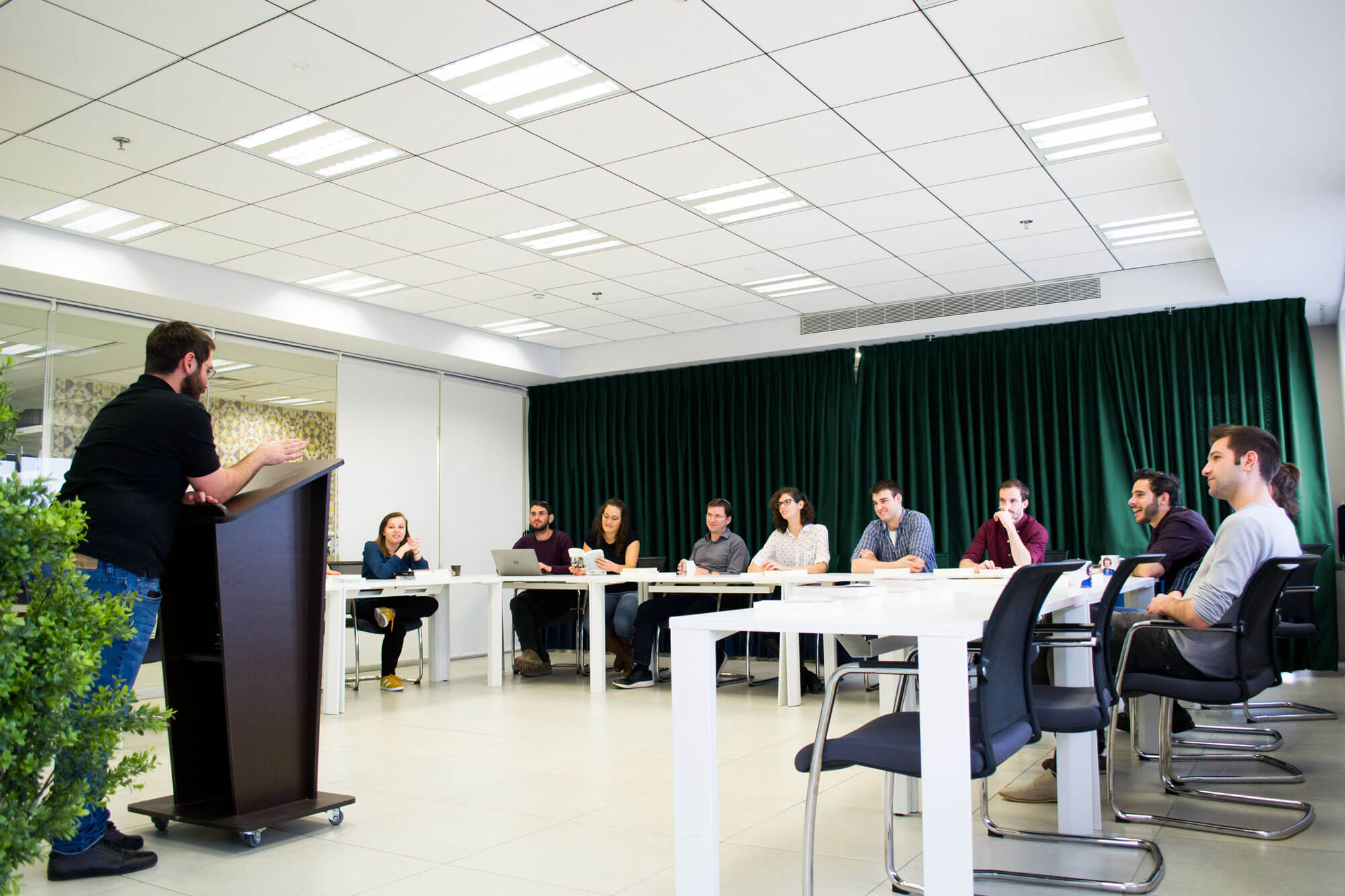
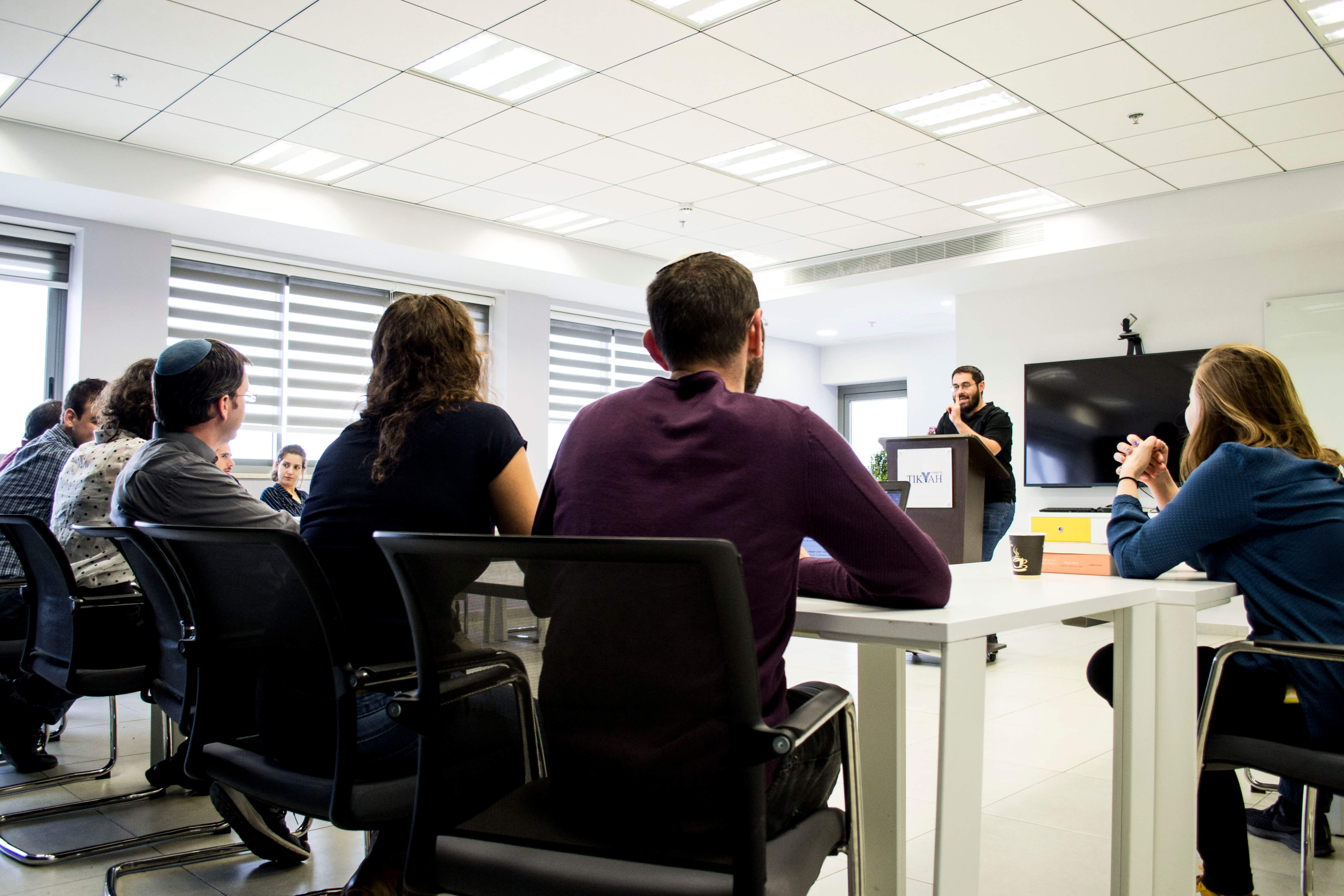
A small, quality study group will study influential texts in political economy and public policy together. The studies will be conducted in a seminar mode, including guest lectures and group work. The program will focus on providing knowledge and analytical tools needed for understanding the fields of political economy and public policy.
Seriousness and Depth
Participants in the program will be required to do intensive reading of complex texts in preparation for meetings, actively participate, build lesson plans on program topics (with the help of professional staff), and submit final assignments at the end. During the year, students will be evaluated based on their work and participation by program faculty.
Contents
Syllabus: Commercial Society – Economic, Political, and Ethical Meanings and Consequences.
Participants in the Adam Smith program will thoroughly study political philosophy, economic principles, and the moral foundation needed for the existence of a free, flourishing society.
The program will be taught by Dr. Sagi Barmak, and study will include the following sources, among others:
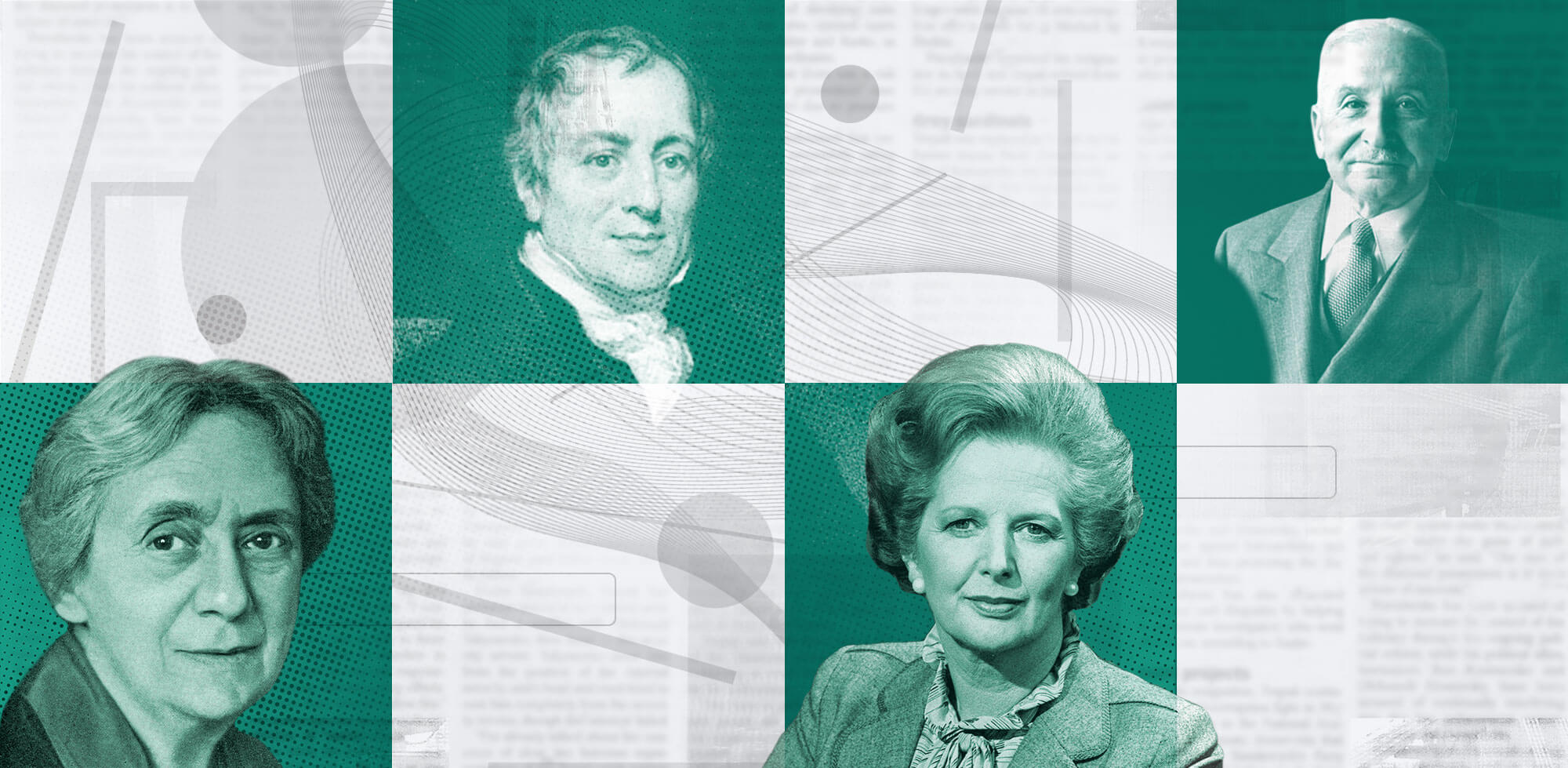
Adam Smith, The Wealth of Nations; The Theory of Moral Sentiments
Ludwig von Mises, Why is Socialism Irrational
Friederich Hayek, Spontaneous Prices as the Basis for a Free Society
Diedre McCloskey, How Liberalism Led to the Great Enrichment
David Landes, How Culture Influences Economic Growth
James Buchanan, Public Choice as Unromantic Politics
Wilhelm Roepke, The Deficiencies of the Welfare State
Milton Friedman, What Is The Role Of Business In A Free Society?
And many more!
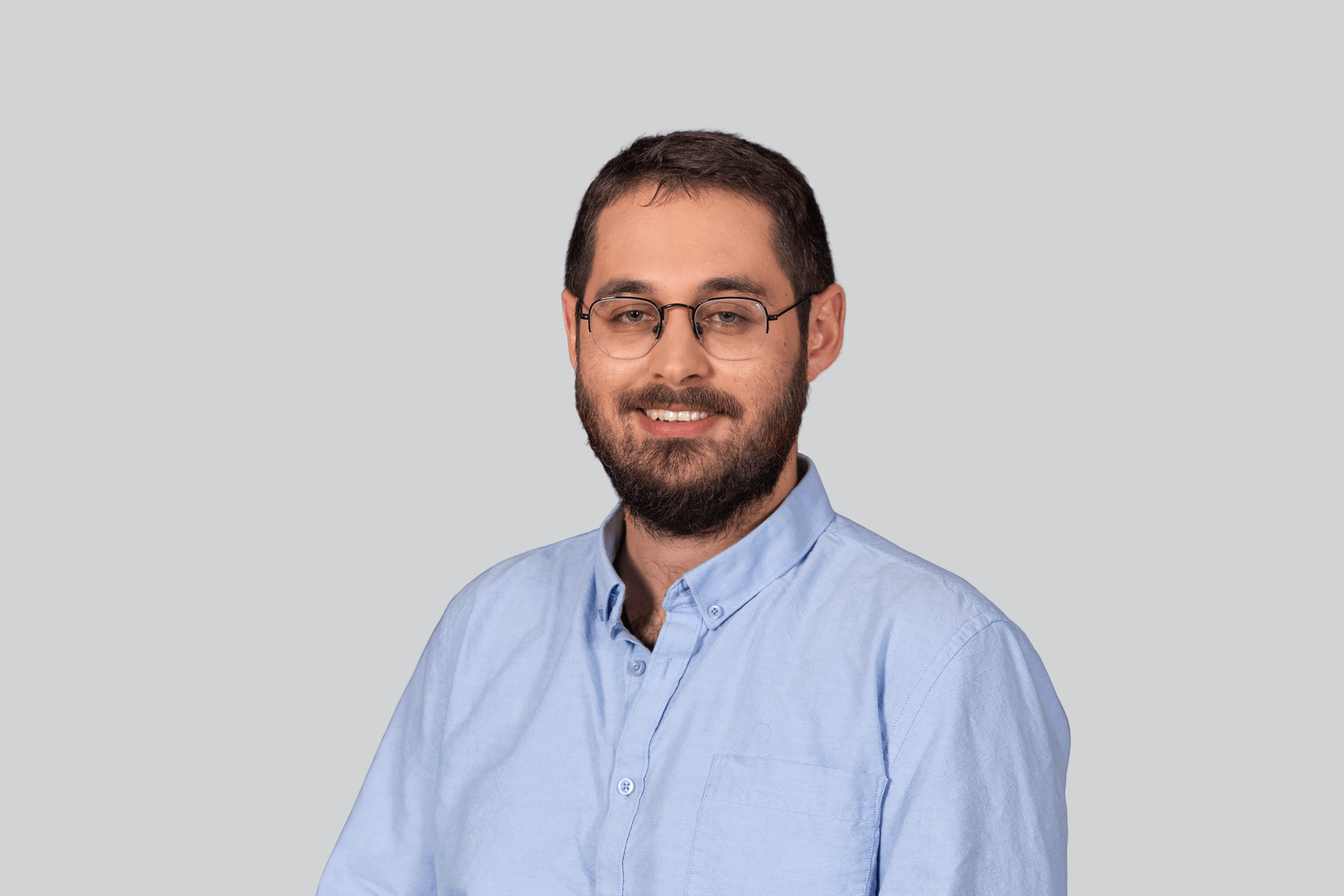
Program Director
Dr. Sagi Barmak
Director, Adam Smith Program
Guest Lecturers
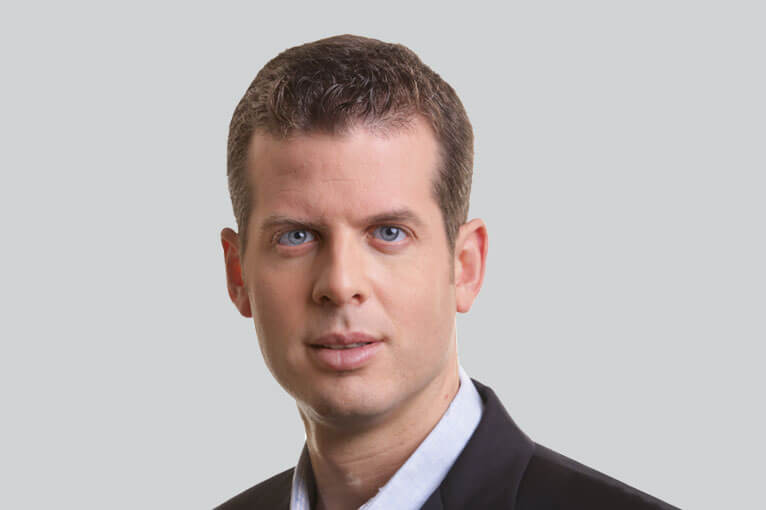
Dr. Ronen Shoval
Argaman Institute Director and Tikvah Fund Dean
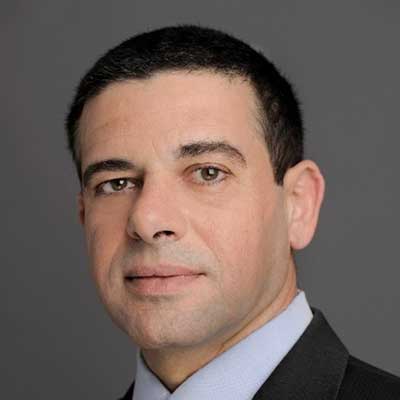
Dr. Michael Sarel
Director, Kohelet Forum on Economics. Chief Economist and Supervisor of State Revenue, Research, and International Relations until April 2014.
Former MK Yehuda Harel
Author, columnist, former MK, and 2018 Israel Prize winner for Settlement and Agriculture. Author of Privatize: Goodbye from the Twentieth Century, a Kibbutz Perspective.”
Ariel Karlinsky
MA student in Economics and a Kohelet Forum researcher.
Professor Daniel Klein
Professor of Economics, author, and columnist. Senior economist at the Mercatus Center. Expert on the thought of Adam Smith. Books include What Do Economists Contribute?
Professor Diedre McCloskey
Professor of Economics, author, and columnist. Senior economist at the Mercatus Center. Expert on the thought of Adam Smith. Books include What Do Economists Contribute?
Professor Peter Boettke
Senior economist of the Austrian school. Head of the Hayek Program for Advanced Studies in Economics, Politics, and Philosophy at the Mercatus Center at George Mason University. His books include The Battle of Ideas: Economics and the Struggle for a Free world and Living Economics: Yesterday, Today, and Tomorrow.
Professor Ryan Patrick Hanley
Political philosopher and expert on Adam Smith’s theory of moral sentiments. Author of Our Great Purpose: Adam Smith on Living a Better Life.
Dr. Samuel Gregg
Director of Research at the Acton Institute. Scholar of political economy, economic history, ethics and finance, and natural law doctrine.
Requirements
MA or PhD student in the humanities, social sciences, or law.
Grade average of 85.
Acquaintance with the world of philosophy and economic policy.
Appropriate candidates will be invited to interviews.
Scholarship
The Argaman Institute provides participants in the Adam Smith Program with excellent conditions for dedicated study. In addition to from academic accompaniment and full meals during the day, the program is fully subsidized.
Students who successfully complete the program will receive a scholarship of 12,000 NIS.